 Business License
Better Pet Food: Automated Production Is Becoming Part of Product Quality
Pet food is becoming more diverse. In addition to nutritional content, consumers are paying attention to ingredients, recipes, texture, packaging, convenience, and overall product experience. As product requirements change, manufacturers are also reviewing their production processes and equipment.
For wet pet food, thermal processing and production automation are important parts of the manufacturing process, particularly when companies need to manage different products, package formats, and production volumes.
Thermal Processing Remains an Important Step in Wet Pet Food Production
Canned, pouched, and tray-packed wet pet food generally contains relatively high levels of moisture and protein. Depending on the product and packaging format, an appropriate thermal processing method can be used as part of the production process to support the desired shelf life.
Thermal processing is more than simply increasing the temperature.
Heat moves through a product at different rates depending on factors such as formulation, package size, packaging material, and product viscosity. Processing conditions that are not properly matched to the product may affect its characteristics, while excessive heat exposure may influence texture, appearance, and some heat-sensitive components.
For this reason, pet food manufacturers generally need to develop processing conditions according to the characteristics of the product and package. Parameters such as temperature, pressure, processing time, and F₀ value can be monitored as part of process management.
Wet pet food is available in many different forms, including meat chunks, pâté, minced products, and products containing sauces or gravy. Their heat penetration characteristics can vary, so the thermal process may also need to be adjusted accordingly.
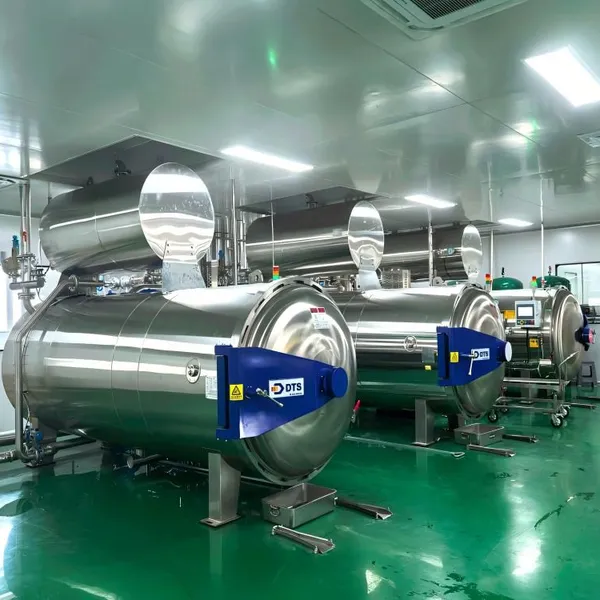
A controlled retort process can help manufacturers maintain consistent processing conditions across production batches while taking product quality into consideration.
Automation Is About More Than Reducing Manual Work
As pet food manufacturers introduce more products and packaging formats, another practical challenge is coordinating filling, basket loading, retort processing, transport, and unloading.
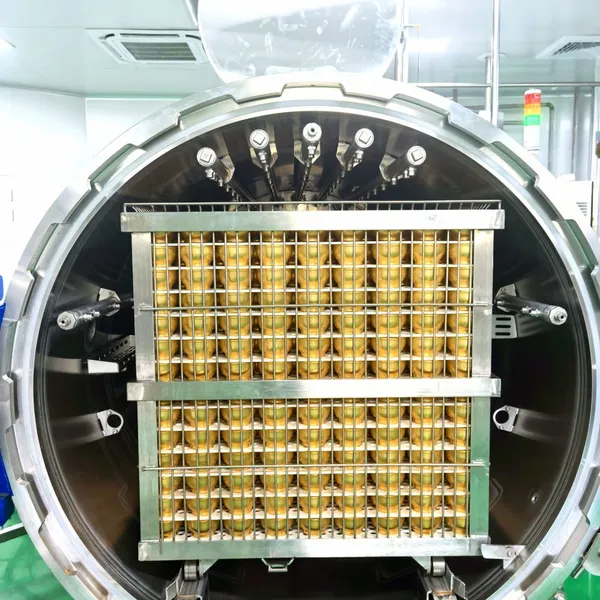
Manual handling can be suitable for smaller production volumes. As production increases, however, loading baskets, moving retort baskets, and unloading products involve repetitive tasks and require close coordination between different production stages.
Automation can help connect these operations.
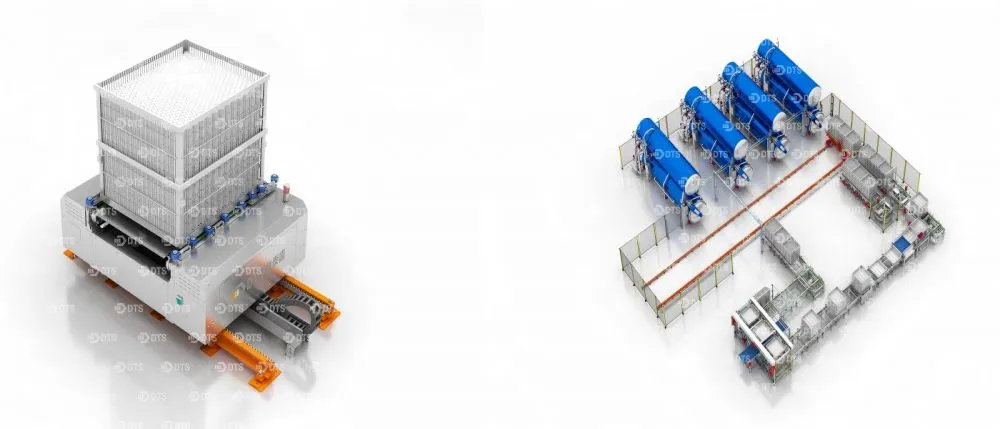
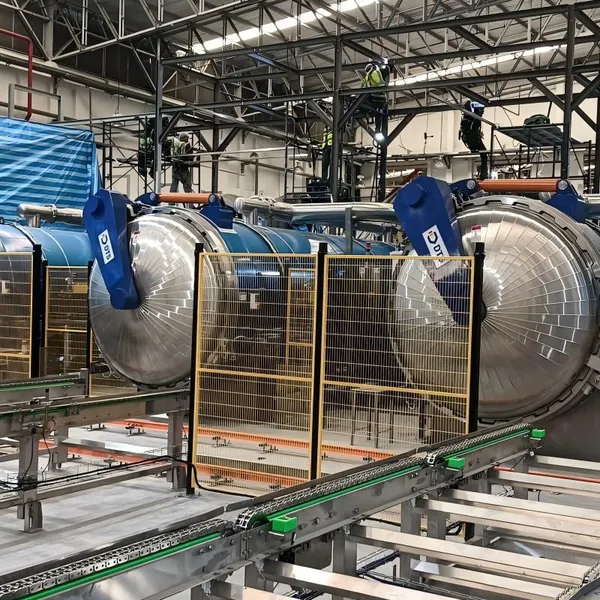
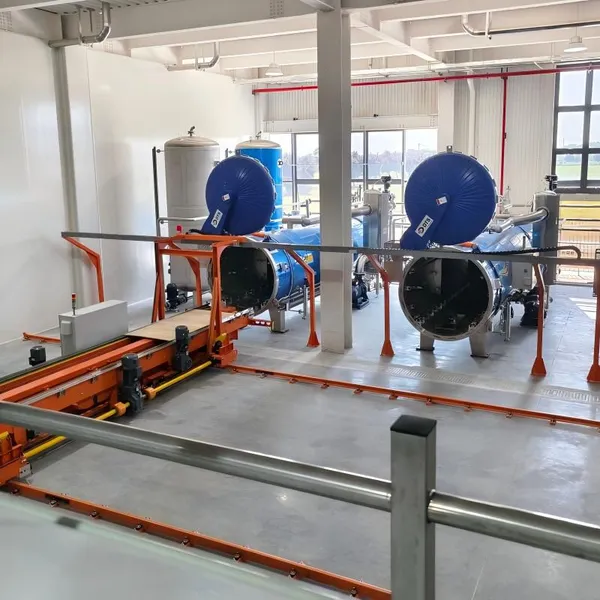
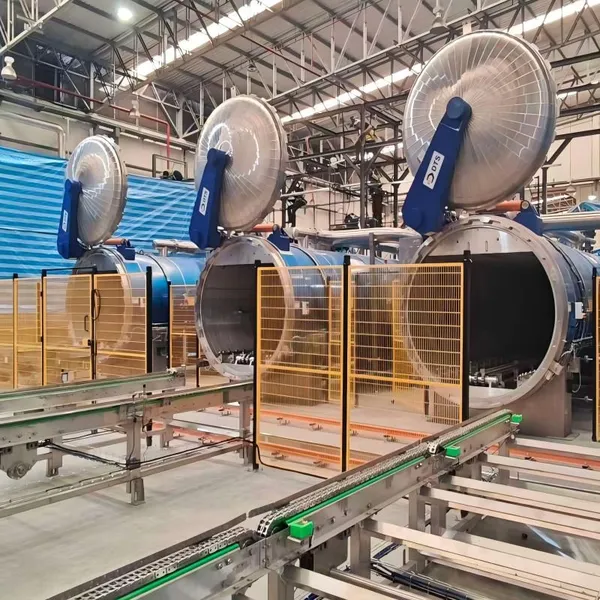
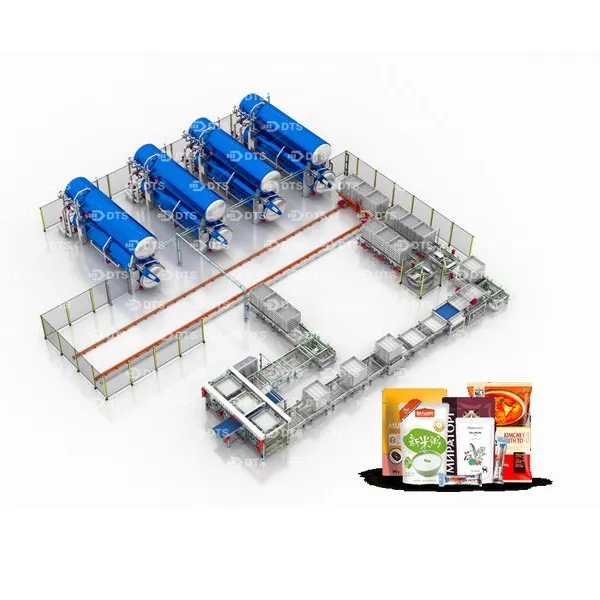
After filling and sealing, products can be transferred to automatic sorting and basket-loading equipment. Robotic systems or spider-arm manipulators can arrange products according to preset patterns. Once a retort basket is loaded, an RGV(Rail Guided Vehicle) or other automated transport system can move it to the designated retort. Following the thermal process, the basket can then be transferred to the unloading area.With this type of setup, the retort can be integrated into the wider production line rather than operating as a separate process.
Sterilization and Automation in Production Planning
For pet food manufacturers considering production-line upgrades, automation does not necessarily mean that every operation needs to be fully unmanned.
A practical approach can be to automate repetitive operations such as basket loading, product arranging, basket transport, retort loading and unloading, based on production volume, product types, packaging formats, and available factory space.
At the same time, thermal processing conditions should be developed according to product characteristics and process validation. Higher temperatures or shorter processing times do not automatically mean a better production process.
For manufacturers, the focus is often on finding a suitable balance between processing requirements, product quality, production efficiency, and operational consistency.
Retort processing deals with the thermal treatment stage, while automation helps connect the different operations around it. When planned together, these systems can provide a more coordinated production workflow and make it easier for manufacturers to handle different product specifications and packaging formats.
Automation: Connecting the Production Line
An automated retort system can connect product conveying, basket loading, product arranging, retort basket transport, retort loading and unloading into a coordinated workflow.Retort processing focuses on the thermal treatment of the product, while automation connects the equipment and handling operations around the process. Together, they can help manufacturers develop a more organized production flow and maintain consistent operating conditions across different production batches.

Contact Us
Recommended Products
-
 Automated Production Line for Bottle Products|Thermal Processing Equipment for Pouches, Bowls & CansNegotiableMOQ: 1 Unit
 -
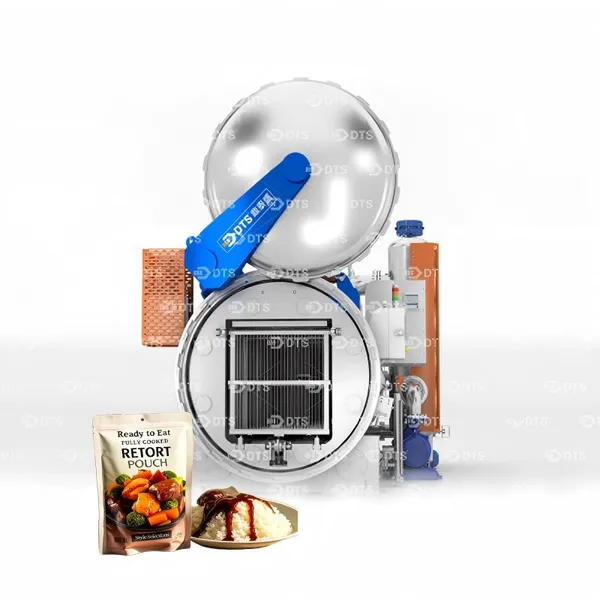
Ready Meal Retort Sterilizer|Thermal Processing Equipment for Pouches, Bowls & CansNegotiableMOQ: 1 Unit
-
Ready Meal Automatic Production Line|Retort Sterilizer, Loading & Unloading SystemNegotiableMOQ: 1 Unit
-
Food Retort Sterilization Automatic Production Line|For Ready Meals, Ready Rice & Prepared FoodsUS$ 30000 - 100000MOQ: 1 Unit
-
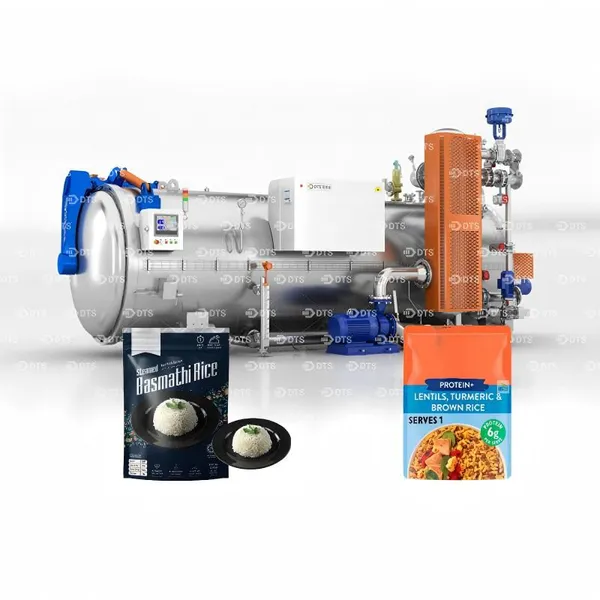
Retort Sterilizer for Ready Rice & Curry|Automatic Retort Processing LineUS$ 30000 - 100000MOQ: 1 Unit
-
Pouch Wet Pet Food Production Line | Automated Filling and Retort SterilizationNegotiableMOQ: 1 Unit
-
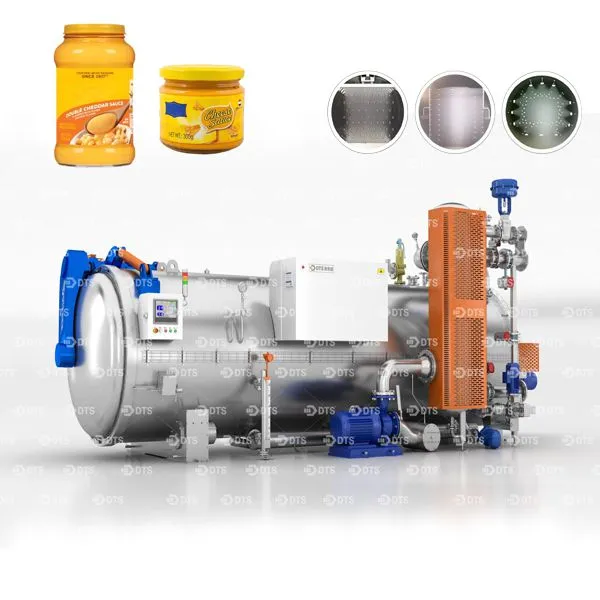
Water Spray Retort for Canned Cheese Sauce Food Processing and SterilizationUS$ 30000 - 100000MOQ: 1 Unit
-
High Temperature Sterilization Equipment for Canned Cheese Sauce – Water Spray RetortUS$ 30000 - 100000MOQ: 1 Unit
-
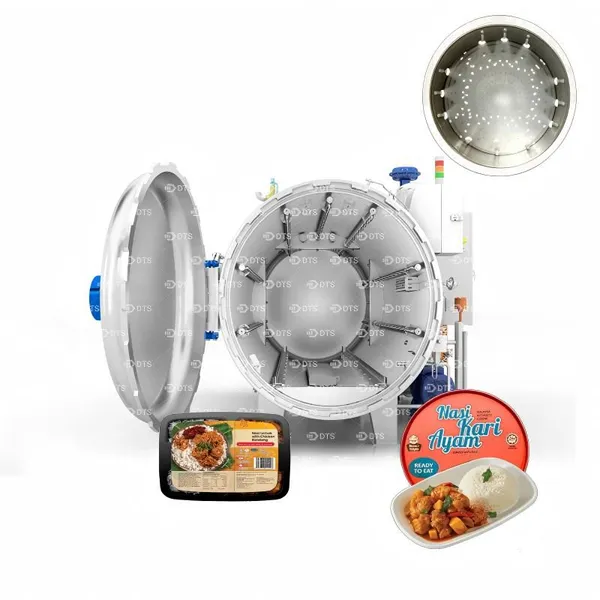
PP Bowl Ready-to-Eat Rice Retort Water Spray Sterilization Equipment for Nasi Lemak and Chicken CurryUS$ 30000 - 100000MOQ: 1 Unit
-
High Temperature Water Spray Retort for PP Bowl Nasi Lemak With Chicken Curry Ready-to-Eat MealsUS$ 30000 - 100000MOQ: 1 Unit
-
PP Bowl Ready-to-Eat Meal Sterilization Equipment Water Spray Retort for Rice and Chicken CurryUS$ 30000 - 100000MOQ: 1 Unit
-
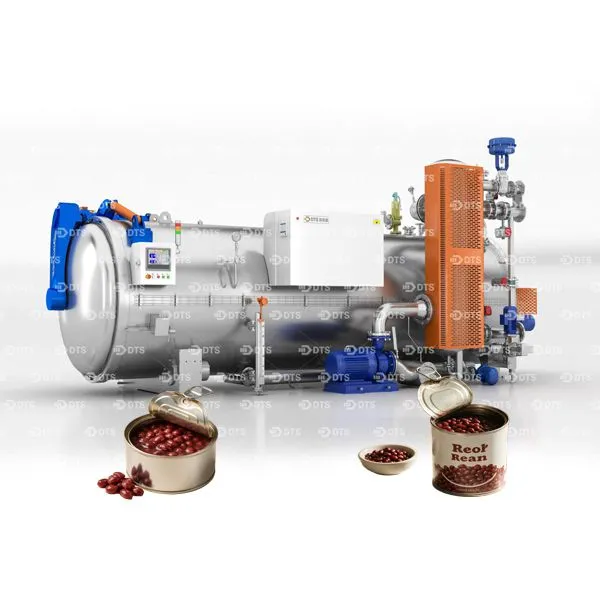
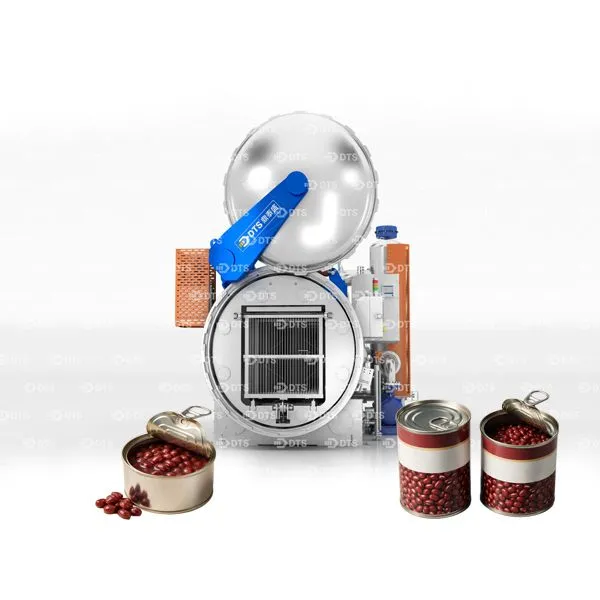
DTS Rotary Sterilization Retort Equipment for Red Beans Tinplate Can PackagingUS$ 30000 - 100000MOQ: 1 Unit
-
Energy Saving Rotary Retort Sterilizer for Canned Red Beans Tin Can Processing LineUS$ 30000 - 100000MOQ: 1 Unit
-
Water Spray Rotary Retort / Tinplate Canned Red Beans/canned Beans Autoclave/retortUS$ 30000 - 100000MOQ: 1 Unit
-
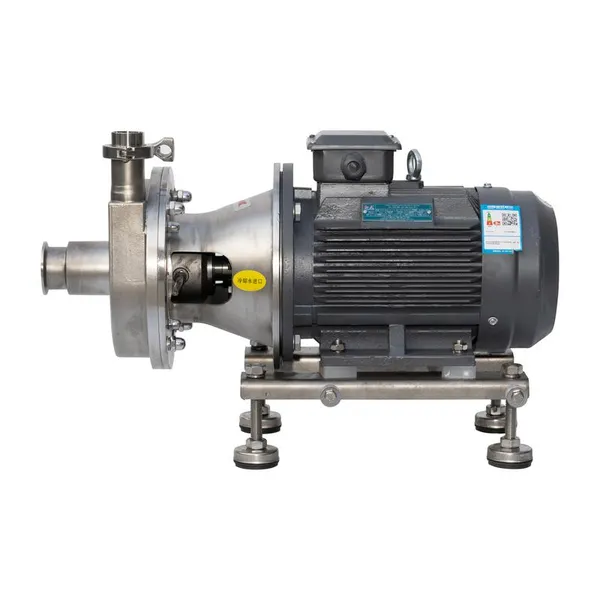
Industrial Circulation Pump/DTS Retort Parts /Retort Circulation Pump/Food Sterilizer Water Pump/Autoclave/SterilizerNegotiableMOQ: 1 Unit
-
DTS Retort Parts /Retort Circulation Pump/Autoclave/SterilizerNegotiableMOQ: 1 Unit
-
Pickle / Cucumber Sterilization Equipment | Retort Machine Manufacturer & Turnkey Production Line SupplierUS$ 30000 - 100000MOQ: 1 Unit
-
Pickle Processing & Ready Meal Production Solution Provider | Water Spray Retort ManufacturerUS$ 30000 - 100000MOQ: 1 Unit
-
Pickled Food & Ready-to-Eat Meal Sterilization Equipment Manufacturer | Retort System & Production Line Solution ProviderUS$ 30000 - 100000MOQ: 1 Unit
-
Water Spray Retort / Stand-Up Pouch Pet Food Sterilizer / Food & Beverage RetortUS$ 30000 - 100000MOQ: 1 Unit